Source screen printing airless perfume bottle for cosmetics, skincare, and personal care
Compare 30 screen printing airless perfume bottle options from verified Chinese suppliers. These glass and plastic containers feature airless pump mechanisms, screen printing capabilities, and customizable volumes for cosmetic and personal care applications.
Key considerations
Products List


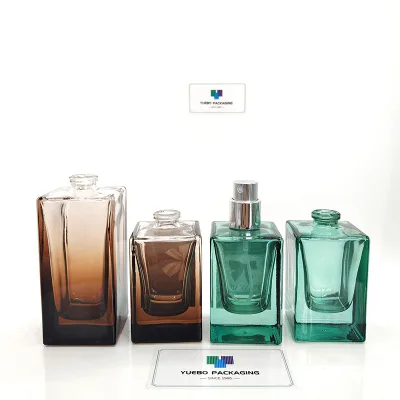
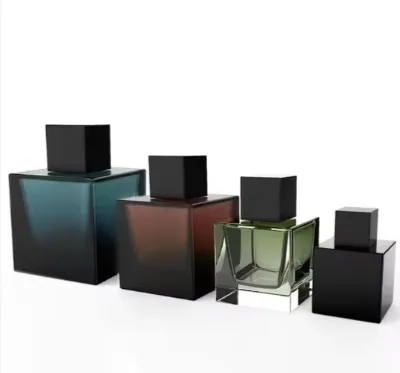


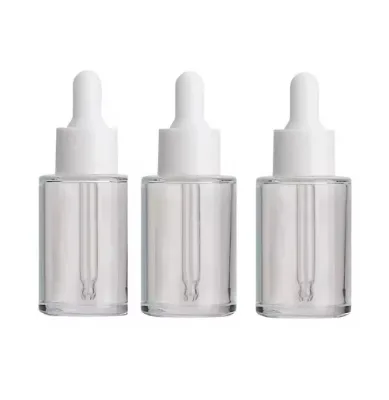


Comprehensive Sourcing Guide
Strategic Sourcing Guide for Screen Printing Airless Perfume Bottles
Understanding the Technical Architecture of Airless Packaging
When sourcing airless perfume bottles, buyers must first distinguish between the mechanical delivery system and the container material. The core keyword "airless" refers to a specific pumping mechanism designed to dispense product without introducing air into the bottle, thereby preserving the integrity of volatile or oxidation-sensitive formulations like perfumes and high-end cosmetics. The supplied data indicates that the primary sealing type for these units is the "Airless Pump," though some listings also reference "Pump Sprayer" or "Press Cap" configurations, suggesting a need for precise specification during the inquiry phase.
The material composition is a critical variable. The observed product attributes list "Glass Outer Bottle, PP Inner Bottle" as a specific configuration, while other entries note "Glass," "PP," or "PETG" as the plastic types. This hybrid construction is common in premium packaging, where a glass outer shell provides aesthetic appeal and a polypropylene (PP) inner bottle ensures chemical resistance and structural integrity for the pump mechanism. The shape is predominantly "Round," and the bottleneck is described as a "Narrow Mouth Bottle," which influences the compatibility with specific pump heads.
Volume specifications vary significantly across the market. The data shows standards ranging from "30ml 50ml" to "30ml 60ml 80ml 100ml," with some listings noting a capacity of "5-50 ml." Buyers must verify the exact volume requirement against the pump's stroke length and the bottle's internal geometry. The neck size is explicitly noted as "15mm" in specific model listings, a dimension that must be matched precisely to the pump actuator to ensure a leak-proof seal. The surface handling processes include "Silkscreen Printing," "Screen Printing," "Color Coating," "Hot Stamping," and "Heat" treatments, indicating that the final decorative finish is a multi-step process involving both the glass and plastic components.
Customization Capabilities and Surface Decoration Standards
The ability to customize the product is a primary driver for procurement in this category. The supplied facts confirm that "Customization" is "Available" and "Acceptable" across multiple listings. This flexibility extends to the visual identity of the bottle, with "Color" listed as a variable attribute, including "Any Colour" options. However, this customization comes with specific constraints regarding Minimum Order Quantities (MOQ).
One specific data point highlights a "Color MOQ" of "20000PCS," which is significantly higher than the general product MOQ range of "5-100000" units observed in the broader market. This discrepancy suggests that while standard colors may be available at lower volumes, custom color formulations or specific Pantone matches require a substantial commitment. The printing handling methods are diverse, with "Silkscreen Printing" and "Screen Printing" being the most frequently cited techniques. Additional processes like "Hot Stamping" and "Logo Printing" are also available, allowing for metallic finishes or embossed branding.
Buyers should note that the surface handling is not uniform across all suppliers. Some listings mention "Ect" (etc.) regarding printing, implying that other methods like offset printing or digital printing might be available but are not explicitly detailed in the standard specifications. The "Surface Handling" section also lists "Color Coating," which may refer to a base coat applied before the screen printing process to ensure color vibrancy on the glass or plastic surface. When evaluating suppliers, it is essential to request physical samples that demonstrate the specific combination of printing technique and color application, as the adhesion and durability of screen printing on glass versus PP plastic can vary significantly.
Cost Drivers and Economic Factors in Procurement
The pricing landscape for airless perfume bottles is influenced by a complex interplay of material costs, customization levels, and order volume. The observed listed price range in USD is "0.03-1.5," a wide spectrum that reflects the difference between basic plastic units and premium glass-hybrid constructions. The lower end of this range likely corresponds to standard PETG or PP bottles with simple screen printing, while the upper end encompasses glass outer bottles with complex multi-step decoration and specialized airless mechanisms.
Material selection is a primary cost driver. The transition from all-plastic construction to a "Glass Outer Bottle, PP Inner Bottle" configuration inherently increases the unit cost due to the fragility and weight of glass, as well as the additional manufacturing steps required to bond the two materials. Furthermore, the "Injection Molding" process mentioned in the technical specs is a standard for plastic components, but the precision required for the airless pump mechanism adds to the tooling and production costs.
Order volume plays a decisive role in the final unit price. The general MOQ range is "5-100000," but specific constraints exist. For instance, a "Color MOQ" of "20000PCS" suggests that achieving the lowest price point for custom colors requires a large batch. Conversely, the ability to order as low as 5 units might be available for standard, non-customized stock items, though the unit price for such small batches will likely be at the higher end of the observed range.
Logistics and payment terms also impact the total cost of ownership. The data indicates delivery ports in "Shanghai," "Ningbo," and "Zhejiang," which are major manufacturing hubs in China. Shipping methods include "by Sea, by Railway," and "Cartons/Pallets" or "Standard Carton + Pallet" for packing. The "Delivery Time" is noted as "25 days" for specific orders, which buyers must factor into their supply chain planning. Payment terms such as "T/T," "Westernunion," "Paypal," and "LC" (Letter of Credit) offer flexibility but may involve different transaction fees or credit risks depending on the supplier's location and the buyer's financial policies.
Compliance, Certification, and Safety Standards
Ensuring that the packaging complies with international safety and environmental standards is paramount for cosmetic and personal care products. The supplied facts explicitly mention that the products are "Eco-Friendly" and "Recyclable," which aligns with growing global demand for sustainable packaging. However, buyers must verify these claims through documentation rather than relying solely on marketing labels. The "Standard safety export cartons" mentioned in the packing specifications indicate that the packaging is designed to meet basic export safety requirements, but this does not necessarily equate to product safety certifications.
While the background information mentions "ISO 9001" as a low-confidence fact, the primary product data does not confirm specific certification status for the bottles themselves. Therefore, buyers should not assume that all listed products are ISO certified or compliant with specific regional regulations (such as EU Cosmetics Regulation or FDA guidelines) without explicit verification. The "prod_standard" field lists volume capacities (e.g., "30ml 50ml"), but this refers to product sizing rather than regulatory compliance standards.
To mitigate risk, procurement teams should request the following documentation from potential suppliers:
- Material Safety Data Sheets (MSDS): To verify that the glass, PP, and PETG materials are food-grade or cosmetic-grade and do not leach harmful substances.
- Recyclability Certifications: Proof that the materials meet the specific recycling standards of the target market.
- Leakage and Drop Test Reports: Given the "Airless" nature of the pump, testing for seal integrity under various conditions is crucial to prevent product loss and contamination.
- Chemical Resistance Reports: Especially for glass-outer/PP-inner combinations, ensuring the inner bottle does not react with the perfume formulation.
Buyers should also be aware that "Personal Care" and "Cosmetic" are the listed applications, but the specific formulation of the perfume (e.g., high alcohol content) may require specific material compatibility testing that is not covered by general standards.
Supplier Evaluation and Geographic Considerations
The geographic origin of the suppliers is a key factor in logistics and communication. The data points to "Zhejiang, China," "Ningbo, Shanghai," and general "China" as the production locations. These regions are well-established manufacturing clusters for packaging, offering a dense network of suppliers with varying specializations. Ningbo and Shanghai are major port cities, which facilitates "by Sea" and "by Railway" shipping, potentially reducing lead times and freight costs for international buyers.
When evaluating suppliers, buyers should look beyond the basic product attributes. The "prod_model" numbers (e.g., "UKAG-003," "JD-602A," "MS-B," "Airless Bottle") serve as internal references, but they do not guarantee consistency across different factories. A supplier offering "UKAG-003" may have different quality control protocols than one offering "JD-602A," even if the visual appearance is similar.
Key evaluation criteria should include:
- Production Capacity: Can the supplier handle the required volume, especially if the order exceeds the "Color MOQ" of 20000PCS?
- Quality Control Processes: Inquire about in-line inspection methods for screen printing alignment and pump functionality.
- Communication Responsiveness: Given the "Customization" aspect, clear communication is essential to avoid errors in color matching or logo placement.
- Sample Availability: Request pre-production samples to verify the "Screen Printing" quality and the "Airless Pump" mechanism before committing to a large order.
Buyers should also consider the "Delivery Port" listed as "Shanghai" for some suppliers. This indicates that the supplier may be located inland but ships to a major port, which could add a leg of domestic transportation. Verifying the exact factory location helps in assessing the true lead time and the reliability of the supply chain.
Long-Term Procurement and Quality Assurance Strategies
Sourcing airless perfume bottles is not a one-time transaction but a long-term partnership that requires ongoing quality assurance. The "Feature: Recyclable" and "Eco-Friendly" attributes suggest that sustainability is a long-term goal for many buyers. To maintain this, buyers should establish a protocol for periodic re-verification of material sources and manufacturing processes. As regulations evolve, suppliers must be able to adapt their production lines to meet new environmental standards.
Quality control should be integrated into the procurement lifecycle. This includes:
- Pre-Shipment Inspections: Conducting random sampling based on AQL (Acceptable Quality Limit) standards to check for defects in screen printing, pump operation, and bottle integrity.
- Stability Testing: Performing shelf-life tests on filled bottles to ensure the airless mechanism remains functional and the seal remains intact over time.
- Supply Chain Resilience: Diversifying suppliers to mitigate risks associated with regional disruptions, especially given the concentration of suppliers in specific Chinese provinces.
The "Lead Time" of "25 days" is a critical metric for inventory planning. Buyers should build a buffer into their production schedules to account for potential delays in customization, particularly for custom colors or complex printing designs. The "Payment Term" options, including "LC" and "T/T," offer financial security, but buyers should negotiate terms that align with their cash flow and risk tolerance.
Finally, the "Application" of these bottles in "Personal Care" and "Cosmetics" means that the packaging must not only function mechanically but also align with brand aesthetics. The "Round" shape and "Color" options provide a canvas for brand differentiation, but the consistency of the "Silkscreen Printing" and "Hot Stamping" finishes must be maintained across all production batches. By focusing on these technical and operational details, buyers can secure a reliable supply of high-quality airless perfume bottles that meet both functional and brand requirements.
FAQs
What materials are used for screen printing airless perfume bottles?
These bottles typically use glass outer bottles with PP inner bottles, though some options include PETG. The specific material depends on the model, such as the UKAG-003 or JD-602A, which may vary between all-glass or hybrid constructions for durability.
How is customization handled for screen printing airless perfume bottles?
Customization is available and acceptable for logos, colors, and shapes. Buyers can request screen printing or hot stamping, but custom colors often require a minimum order quantity of 20,000 pieces, while standard options may have lower thresholds.
Which sealing types are available for screen printing airless perfume bottles?
The primary sealing type is an airless pump, but pump sprayers and press caps are also listed. The specific mechanism depends on the product model, with narrow mouth bottles designed to fit 15mm neck sizes for secure sealing.
Can I order small quantities of screen printing airless perfume bottles?
Yes, the general MOQ range spans from 5 to 100,000 pieces depending on the supplier. However, custom color orders typically require a higher commitment of 20,000 pieces, while standard stock items might be available at lower volumes.
What are the delivery times for screen printing airless perfume bottles?
Delivery times are approximately 25 days for specific orders. Shipping is available by sea or railway from ports in Shanghai, Ningbo, or Zhejiang, with packing options including standard cartons or pallets for safe export transport.
How do prices vary for screen printing airless perfume bottles?
Listed prices range from 0.03 to 1.5 USD per unit based on material and customization. Basic plastic units cost less, while glass outer bottles with complex printing and airless mechanisms command higher prices within this observed market range.